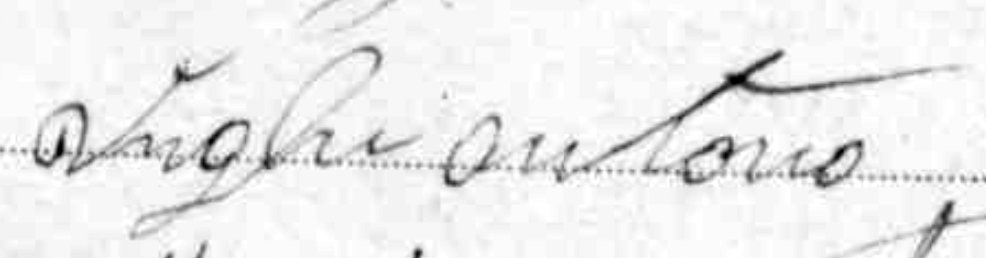
The record of the finding
This is where it all begins: birth record no. 3, part II, written in Chiusa Sclafani on the morning of 7 January 1898, four hours after the baby was found in the foundling wheel.
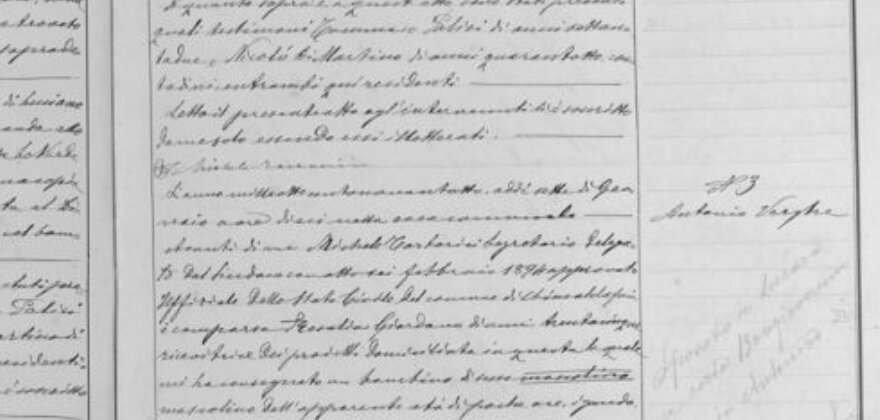
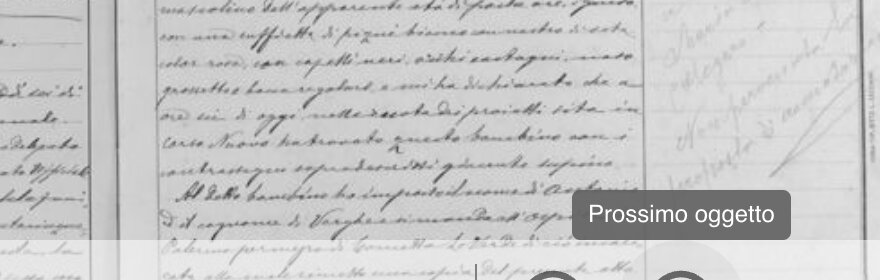
To the said child I gave the name Antonio and the surname Verghe, and I send him to the foundling hospital of Palermo by means of Concetta Lo Verde […].
Witnesses: Tommaso Palisi, aged seventy-two, and Nicolò Di Martino, aged forty-eight, farm workers, both resident here.
Summary
EstablishedWho he was
Antonio was found at dawn on 7 January 1898 in the foundling wheel on Corso Nuovo in Chiusa Sclafani (birth record no. 3, part II). He was given the name Antonio Verghe. He was sent to the foundling hospital in Palermo; in 1921 in Lercara Friddi he married Marianna Bongiovanni († Palermo 1987), with whom he had at least six children, and he died in Palermo on 25 September 1941 as Antonino Verghi.EstablishedThe change of surname
In the marriage record of 21 April 1921 he is still «Verghe Antonio, son of N.N.» (parents unknown). Eight months later, in the birth record of his daughter Giuseppa (23 December 1921), the surname is already written «Verghi». The change from Verghe to Verghi therefore happened in 1921, in Lercara.Strong clueDNA points to Chiusa
The DNA kit of Dario's father has two groups of matches linked to Chiusa Sclafani: the Caravella group (Anthony J. Caravella Sr, 51.9 cM) and the Woolfson/Puccio group (Gendusa, Marchese, Tortomasi, Giglio families…). These matches do not appear in the kit of Dario's mother, so they sit on the paternal side.Key pointThe two families are related
Two sons of Vincenzo Caravella married women from the Gendusa/Marchese circle: Giuseppe Caravella married Concetta Gennusa in 1899, and Nicolò Caravella married Rosalia Blanda, daughter of Anna Marchese, in 1901. This intertwining could explain why both groups of matches revolve around the same families.NewLatest checks
· Giuseppa Caravella, Vincenzo's daughter, died as a child in 1876: in 1898 Vincenzo had no unmarried daughters, so the Caravella hypothesis runs through a son.· Emanuele Gendusa was the son of Calogero (c. 1808–1861) and Concetta Crapitto, and grandson of Emanuele Gendusa and Bernarda Ragusa.
· Anna and Petronilla Marchese were not sisters: Anna was the daughter of Antonino Marchese and Rosalia Di Giorgio, Petronilla of Giuseppe Marchese and Rosalia Rossi.
· Confirmed by the registers: Antonino Caravella, great-grandfather of Anthony Caravella Sr, was Vincenzo's brother. Both were sons of Giuseppe Caravella and Giuseppa Cancemi.
Family tree, centred on Antonio
Dashed boxes = people not yet identified. Antonio's biological parents are the goal of the research.
hypothesis: Caravella / Gendusa circle in Chiusa
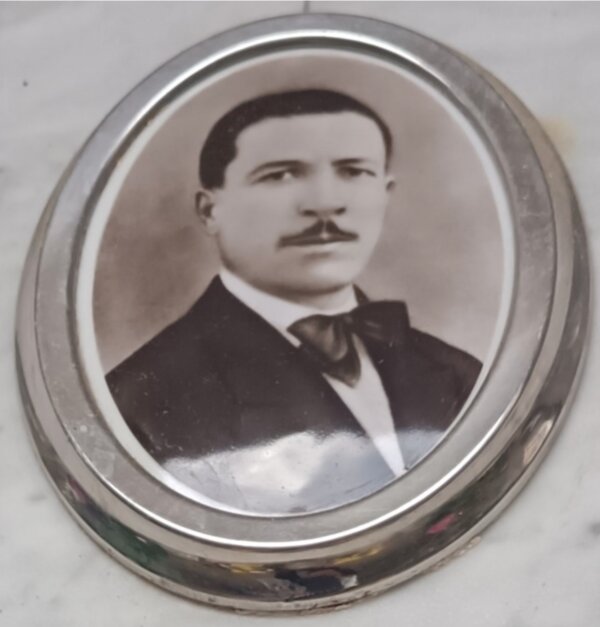 Antonio Verghe
→ Antonino Verghifound in Chiusa Sclafani 7 Jan 1898
† Palermo 25 Sep 1941
charcoal burner (probably), Lercara
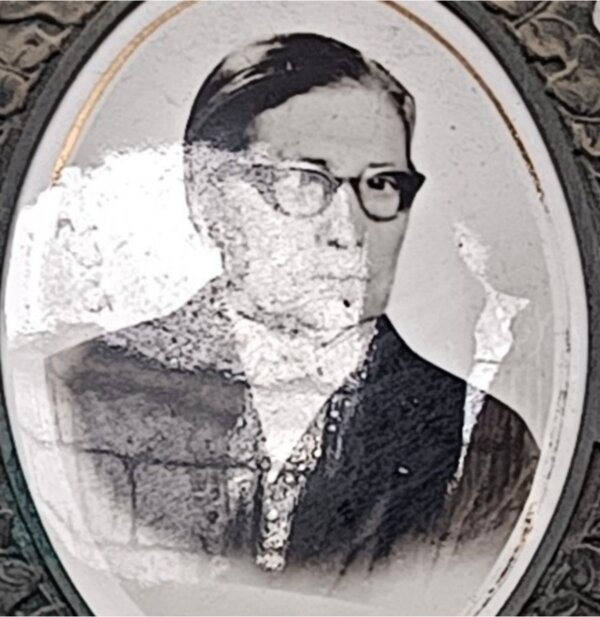 Marianna Bongiovanni* Lercara Friddi 2 Feb 1901
† Palermo 7 Aug 1987
married in Lercara 21 Apr 1921
brother: Giuseppe Bongiovanni
† 2000
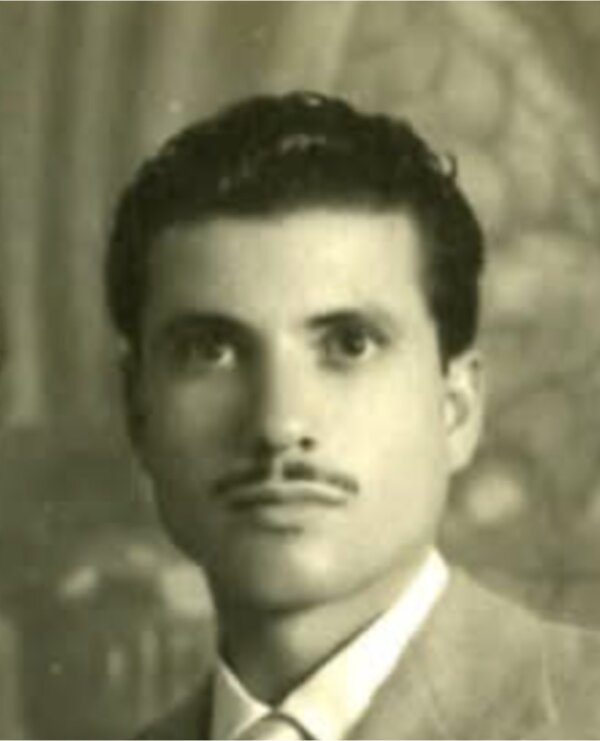 Gaetano Verghi1927 – 1999
Dario's paternal grandfather
 Francesca Paola RealePalermo 1927 – 2024
daughter of Nicolò Reale (* 1897) and Rosalia Reale (* 1897), first cousins; after the war her father remarried in Genoa
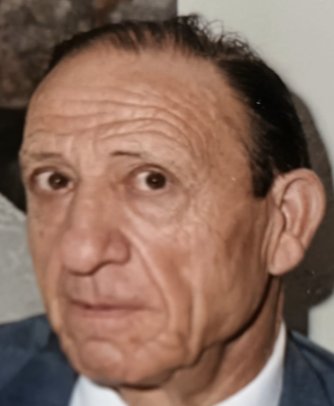 Calogero Verghi
Dario's father · MyHeritage DNA kit (1,219 matches)
Names repeat according to Sicilian custom: Dario's father is called Antonino like his foundling great-grandfather, and Dario carries the name Gaetano from his paternal grandfather. Details about living people are deliberately kept to a minimum.
Timeline of Antonio's life
Scans and transcriptions of all these records are in the further details.
DNA matches (kit of Dario's father)
The father's kit has 1,219 matches. The matches linked to Chiusa Sclafani do not appear in the mother's kit, so they belong to the paternal side, i.e. the Verghi and/or Reale side.
| Match | cM | Tree / families | Notes |
|---|---|---|---|
| Olga | 306,9 | empty tree | Very close. Probably not on Antonio's line, but needs to be clarified. |
| Anthony J. Caravella Sr | 51,9 | Chiusa Sclafani. Father Giuseppe (b. 1885), grandparents Antonino Caravella (1853–1915) and Rosa Schifano | Deceased. The kit is managed by a relative. Caravella group: Azzara, Marino, Ciaccio, Tamburri. |
| andrew Puccio | 44,1 | Vaccaro, Tortoricci | Woolfson group |
| Mark Woolfson | 42,7 | Chiusa: Tortomasi, Gendusa, Marchese, Napoli, Giglio, Butera | Woolfson group: Philip Stevens, Enza Zito, Ronald Giordano, Roger Cusumano, Leonard Bruno |
| Kelly Pion | — | — | Appears in both groups |
| Francesco Reale | 28,7 | grandfather Umberto Reale (1932–2013) | Reale line (paternal grandmother), not Antonio. Probably the Reale–Foresta line, collateral to 3×-great-grandfather Nicolò |
Among the father's matches, the surnames Gendusa and Marchese appear only in Woolfson's tree. The surname Blanda does not appear in any tree.
The search for Chiusa surnames among the matches and the Y-chromosome details are in the further details.
Working hypotheses on the biological parents
| Lead | Status | Reasoning |
|---|---|---|
| Rosalia Giordano as Antonio's mother | Ruled out | She was the official receiver of foundlings: she also presents records no. 1 and no. 4 of 1898. |
| Concetta Caravella (b. 1873) as mother | Very unlikely | In 1898 she was married to Domenico Ferina and already had children. |
| Father in the Caravella group: an unmarried son of Vincenzo (Giuseppe, 20, or Nicolò, 18, in January 1898) | Main lead | With Vincenzo's daughters ruled out, the Caravella link would run through the male line, which can be tested with Y-DNA. Antonino and Vincenzo were brothers (now documented), so in this hypothesis Dario's father and Anthony Sr would be second cousins twice removed. For that relationship 51.9 cM is an entirely plausible value (see below). |
| Concetta Tortomasi (b. 1881, daughter of Vincenzo and Caterina Napoli) as mother; father a Caravella | Hypothesis C | Unmarried in 1898, she married Pietro Massaria on 28 Oct 1899. Would explain the 42.7 cM with Woolfson better than A and B. To be checked with the DNA of Massaria descendants. |
| Mother from the Gendusa / Marchese / Blanda circle | Open | Would explain the Woolfson group (Gendusa, Marchese) and its overlap with the Caravella. |
| Giuseppa Caravella (Vincenzo's daughter) as mother | Ruled out | Died as a child in September 1876. In 1898 Vincenzo had no unmarried daughters of childbearing age: Concetta was married, Anna had died in 1891. |
| Witness on the record: Tommaso Palisi | Clue | «Palisi» confirmed on the original. He was neither the father nor the uncle of Vincenza Palisi, Vincenzo Caravella's wife: the two Palisi lines have different fathers (Bernardo and Vincenzo). A more distant relationship remains possible but is not proven. |
| Olga (306.9 cM) | To be clarified | The closest match, with an empty tree. We need to work out which line she is on. |
Chiusa Sclafani is where Antonio was abandoned, not necessarily where his parents came from. DNA, however, points strongly to Chiusa families.
Where Anthony Caravella Sr would fit
Common ancestors: Giuseppe Caravella and Giuseppa Cancemi. That they were the parents of both Antonino and Vincenzo is documented; Antonio's link to Vincenzo remains to be proven.
| Generation | Anthony's line | Dario's line (hypothesis: Antonio's father = a son of Vincenzo) |
|---|---|---|
| 1 | Antonino Caravella (1853) | Vincenzo Caravella (1842) |
| 2 | Giuseppe Caravella (1885) | Giuseppe (1877) or Nicolò (1879) Caravella |
| 3 | Anthony J. Caravella Sr | Antonio Verghe (1898) |
| 4 | — | paternal grandfather Verghi |
| 5 | — | Dario's father (DNA kit) |
Under this hypothesis the relationship is second cousins twice removed (2C2R), for which shared DNA usually ranges from zero to a few tens of cM: 51.9 cM is a consistent value. If instead the father were Vincenzo himself, the relationship would be 2C1R and a bit more would usually be expected, but 51.9 is still possible. Autosomal DNA alone cannot distinguish these hypotheses. The Y chromosome can: a male-line Caravella descendant should have the same Y haplogroup as Dario.
The two descent hypotheses, as trees
In January 1898 two young Caravella men, sons of Vincenzo, were single, and each married a few years later a girl from the families linked to the Woolfson DNA group. Both couples were the right age to be the parents of Antonio, born out of wedlock and left at the wheel. The two trees below link each couple to Antonio and, through him, to your branch of the MyHeritage tree (Gaetano → Antonino → Dario).
Hypothesis A · Giuseppe Caravella and Concetta Gennusa
Giuseppe (20) and Concetta (19) married in Chiusa on 10 September 1899, 20 months after Antonio was abandoned. In this hypothesis the Caravella group comes through the father and the Woolfson group through the mother, via the Gendusa family, which appears in Woolfson's tree. It is the hypothesis that explains both groups of matches together. A small clue in its favour: the surname Blanda, required by hypothesis B, does not appear in any of the matches' trees.
Hypothesis B · Nicolò Caravella and Rosalia Blanda
Nicolò (18) and Rosalia (19) married on 17 January 1901, three years later, and in 1903 emigrated to Harvey (Chicago, Illinois). The Caravella side works the same way as in hypothesis A. The Woolfson group, however, would have to link to the Marchese (Antonino Marchese and Rosalia Di Giorgio) or to the Blanda.
There is also a hypothesis C. The mother may have been a girl from the Tortomasi family, probably Concetta Tortomasi (born 1881, daughter of Vincenzo and Caterina Napoli), who married Pietro Massaria in October 1899; the father would still be a Caravella. It explains the 42.7 cM shared with Mark Woolfson better than the others. All the checks, including Nicolò Caravella's emigration to Chicago and the possible «shotgun wedding», are in the further details.
How to decide between A and B
- Mark Woolfson's tree: trace his Gendusa/Marchese line back to the point where it meets Calogero Gendusa and Concetta Crapitto, or the Casella (hypothesis A), or else Antonino Marchese and Rosalia Di Giorgio, or the Blanda (hypothesis B).
- Shared matches: among the father's matches, check who is shared both with Woolfson and with known descendants of Giuseppe Caravella and Concetta Gennusa, or of Nicolò Caravella and Rosalia Blanda.
- Y-DNA: confirms the Caravella side in both hypotheses, but does not tell them apart.
- Descendants of the two couples: an autosomal test of a descendant of either couple would be decisive, because they would share much more DNA with your father in one case than in the other.
Next steps on Antonio
Confirm that Antonino and Vincenzo Caravella were brothers: done (parish death index, 1906 and 1915).- Y-DNA test: now that the relationship between the two lines is documented, comparing the Y chromosome with a male Caravella descendant is the most direct way to test the hypothesis.
- Baptism of Emanuele Gendusa (c. 1839, son of Calogero and Concetta Crapitto): the Chiusa baptism register is not full-text indexed. It has to be browsed by hand on FamilySearch, or requested from the parish of San Nicolò di Bari.
- Antonino Marchese, Anna's father: check whether he was the son of Giuseppe Marchese and Rosalia Rossi, and therefore Petronilla's brother.
- Chiusa decennial birth indexes: each year has a section «Part 2 – Unknown» listing the abandoned children (seen for 1880). The 1898 section would show how many foundlings there were that year.
- Y-DNA: Y-37 or Big Y test at FamilyTreeDNA, and ask the manager of the Caravella kit for Anthony Sr's haplogroup.
- Commune of Chiusa Sclafani: full copy of record no. 3, part II, 1898, to re-read the witness's name (Parisi or Palisi).
- State Archives of Palermo: supporting documents for the Caravella marriages of 1899 and 1901, and Antonio Verghe's military service record (class of 1898).
- Palermo foundling hospital (foundling records, 1898): Antonio's admission register, wet nurse, any identifying tokens.
- Commune of Palazzo Adriano: records of the Gennusa/Casella family from 1879 to 1882.
- Olga: work out her line through shared matches.
Further details
Documents, transcriptions and detailed checks, gathered on a separate page so as not to weigh down the story.